
Memory as a Form of Keeping
También esto pasaráBlanca learns that attention, family objects, stories, and remembered gestures can preserve the past without undoing death.
increasing Bearing strength in each event
 decreasing
Bearing strength in each eventdecreasingThe Unopened Boxes
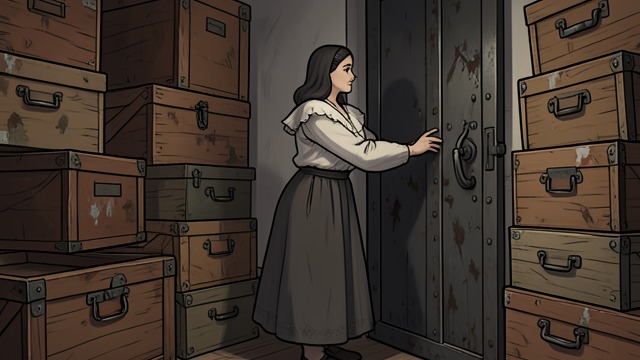
The Unopened Boxes
Sorting an inheritance
Blanca's entrance is crowded with boxes from her own earlier move and with belongings from her mother's home. She alternates between wanting to give everything away and wanting to preserve every object.
Choosing a distance
The hesitation becomes a way of deciding how close she can live to her mother after death. Objects make the past tangible, but they also force Blanca to choose which parts of it she can carry.
The Jacket on the Hook
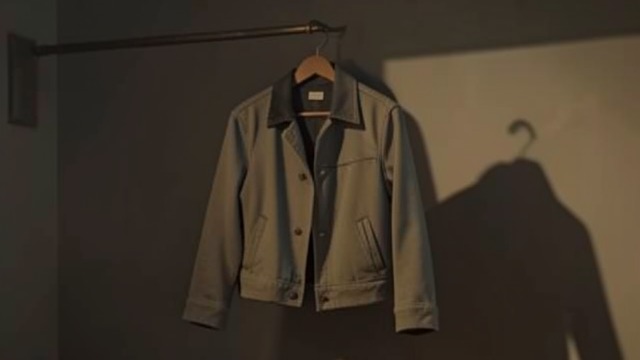
The Jacket on the Hook
An object kept back
Blanca retains one blue-gray jacket that she remembers buying with her mother. She has not taken it to the cleaners, fearing that handling it might confirm that its familiar scent is already gone.
Grief made domestic
The jacket hangs in the entrance like a dusty, dog-haired ghost. It is not merely clothing but an ordinary point of contact with the person who used to arrive home in it.
A House Full of Episodes
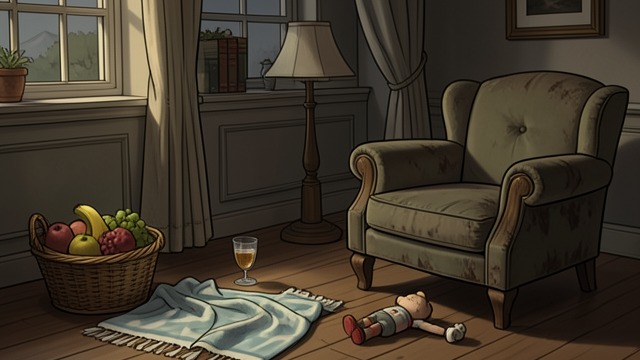
A House Full of Episodes
Family history in rooms
Blanca recalls fruit deliveries, meals, beach towels, parties, lovers, children, and the house's changing seasons. The memories make the residence feel like a record of ordinary life rather than a still image of the past.
Remembering change
The same recollection includes her mother's aging and the house's gradual quieting. Memory preserves not only happiness but the transitions that made the old household impossible to restore.
The Albums as Testament
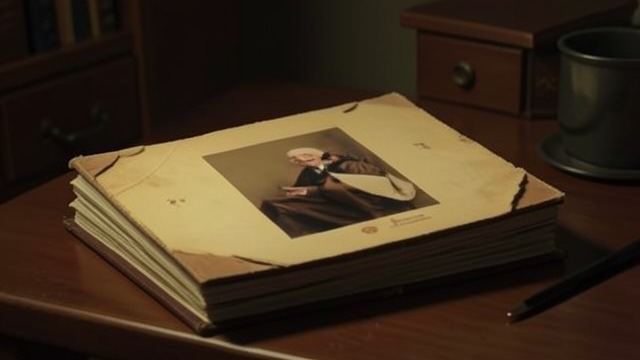
The Albums as Testament
A gift of evidence
Shortly before she died, Blanca's mother brought her a large case of family photo albums. The collection continues a record begun by Blanca's grandfather and maintained through successive generations.
Proof of shared happiness
Blanca understands the albums as evidence that the family had been happy. She postpones looking through them because the images remain too close to the present loss.
Attention Makes Things Ours
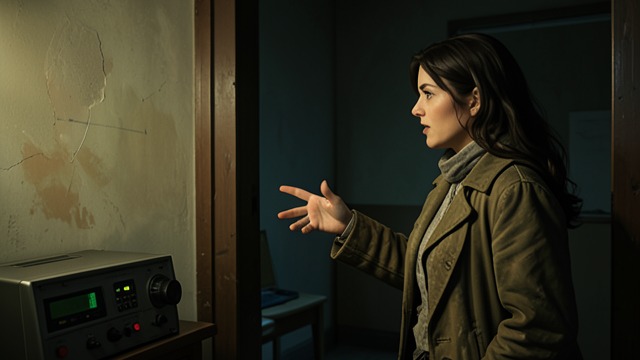
Attention Makes Things Ours
A different account of loss
Pedro argues that close observation makes people and places one's own, even after they are gone. Blanca answers by naming precise colors, rooms, and the feel of her father's hands.
Memory as possession
The exchange does not persuade her that nothing has been lost. It does give language to a form of keeping: attentive memory cannot restore the past, but it can preserve its particularity.
Before Blanca leaves Barcelona
In the days before the Cadaqués departure
At sunrise on Blanca's first Cadaqués morning
In the summer recollection of Blanca's last birthday with her mother
During the late-night conversation with Pedro
